3D printing material selection
Choosing the right printing material for the application.
- Shanghai Xionglan Culture Communication Co., Ltd. (brand: Xionglan Art)
- Shanghai-based workshop · delivery in 67 Chinese cities
- 10 capability groups / 102 individual techniques · design, fabrication and installation in-house
- Phone +86 156 0163 6249 · Mon–Sun 09:00–18:00 (CST)
Material choice decides cost, strength, weather resistance and finish - and it is usually the first question to answer. We match material to the exposure, the load and the appearance demanded, not the other way round.
Commissioned work in 3d printing material selection normally runs from 6 to 30 m², with 3–8 working days in production from approved drawings. The reference range for this technique is CNY 80+ per m², quoted itemised. It sits within our 3D Printing & Digital Fabrication capability, alongside 9 related techniques, and the 4-point deliverable below is what a commission includes as standard.
When 3d printing material selection is the right answer - and when it is not
Material selection is chosen as a design decision rather than a production afterthought, because the material determines how a printed part behaves outdoors, under load, in heat and in contact with people. The advice matters most where printed pieces go outside or carry load, which is where the wrong choice produces predictable failures. It is offered as a specification service, not as a material catalogue.
How the work is actually carried out
The service works from the piece's actual service conditions: where it will be, what it must carry, what it will be exposed to and how it will be finished. Materials are then matched to that brief - PLA for indoor display, PETG for tougher indoor parts, ABS and ASA for exterior and high-temperature use, and cement or resin systems where a mineral appearance is needed. The printed tests are run where the conditions are unusual, because material data sheets describe ideal conditions rather than real sites. A written specification is issued with the reasoning behind it.
Typical applications
Typical specifications
| Materials | PLA, PETG, ABS, ASA, TPU, nylon, resin, composite, cement |
|---|---|
| Selection drivers | UV exposure, temperature, load, detail, colour, finish |
| Certification | Flame retardant and food-contact grades where required |
| Guidance | Written recommendation with the quote |
| Capability | 3D Printing & Digital Fabrication |
| Reference range | CNY 80+ per m² |
| Techniques in this capability | 10 |
| Coverage | Shanghai base, nationwide delivery, overseas projects on request |
Reference price bands for 3D printing material selection
Indicative only, based on the scope normally quoted for 3d printing material selection. A firm price follows a site survey and an itemised quotation split into material, labour, finishing, packing and freight.
| Pricing basis | Priced per piece or per project rather than per square metre |
|---|---|
| Reference range | CNY 80+ per m² |
| How we quote | Itemised: material, labour, finishing, packing and freight shown as separate lines |
Build tiers for 3d printing material selection
3D printing material selection is not one product at one size: the table below is the same scope ladder we quote on, so you can see where your project sits before asking for a price.
| Build tier | Typical area | Production days | What changes at this tier |
|---|---|---|---|
| Tier 1 | 6–30 m² | 3–8 | Up to 30 m², one substrate and one access setup, 3–8 days in the workshop. |
| Tier 2 | 6–30 m² | 3–8 | 6–30 m² across two or more faces, 3–8 days, substrate build-up agreed per location. |
| Tier 3 | 6–30 m² | 3–8 | 6–30 m² across two or more faces, 3–8 days, substrate build-up agreed per location. |
| Tier 4 | 6–30 m² | 3–8 | 6–30 m² across two or more faces, 3–8 days, substrate build-up agreed per location. |
| Tier 5 | 6–30 m² | 3–8 | 6–30 m² across two or more faces, 3–8 days, substrate build-up agreed per location. |
| Tier 6 | 6–30 m² | 3–8 | 6–30 m² across two or more faces, 3–8 days, substrate build-up agreed per location. |
| Tier 7 | 6–30 m² | 3–8 | 6 m² and above, multiple substrate types and phased access, 3–8 days with a join and numbering plan. |
What we deliver
- Digital modelling from sketches, scans or reference images
- Large-format printing, section splitting and structural joining
- Sanding, priming, painting and surface texturing
- Master-pattern printing for subsequent casting
Faults we see most often in 3d printing material selection
Each of these is a field failure rather than a workshop one, and each is cheaper to prevent at enquiry stage than to correct after installation.
- Choosing material by habit or by what is loaded in the printer, rather than by the conditions the part will face.
- Trusting a data sheet figure without testing where the exposure is severe, such as coastal or high-temperature sites.
- Ignoring how the piece will be coated, since the coating is often what actually provides UV and weather resistance.
What to settle before an overseas project starts
| Service conditions | Where it goes, what it carries, what it is exposed to and for how long. Everything follows from that. |
|---|---|
| Finish system | Tell us how it will be painted or coated. On exterior work, the coating is the main protection, not the print. |
| Certification needs | If the part needs fire or safety certification, say so early. It narrows the material list considerably. |
Working with us from overseas
Enquiry to installation, one point of contact. Export packing, shipping, commercial terms and quality control →
Design intent and what drives the cost
| Technique | 3D printing material selection |
|---|---|
| Positioning | Choosing the right printing material for the application. |
| Floor area normally quoted | 6–30 m² per commission |
| Typical production window | 3–8 working days from approved drawings |
| Main cost drivers | Area and repetition; substrate preparation; detail and modelling time; surface finish; access and working hours |
| What we quote separately | Material, labour, finishing, packing, freight and site measures - each as its own line |
Representative work
3D Printing & Digital Fabrication projects photographed on completion.
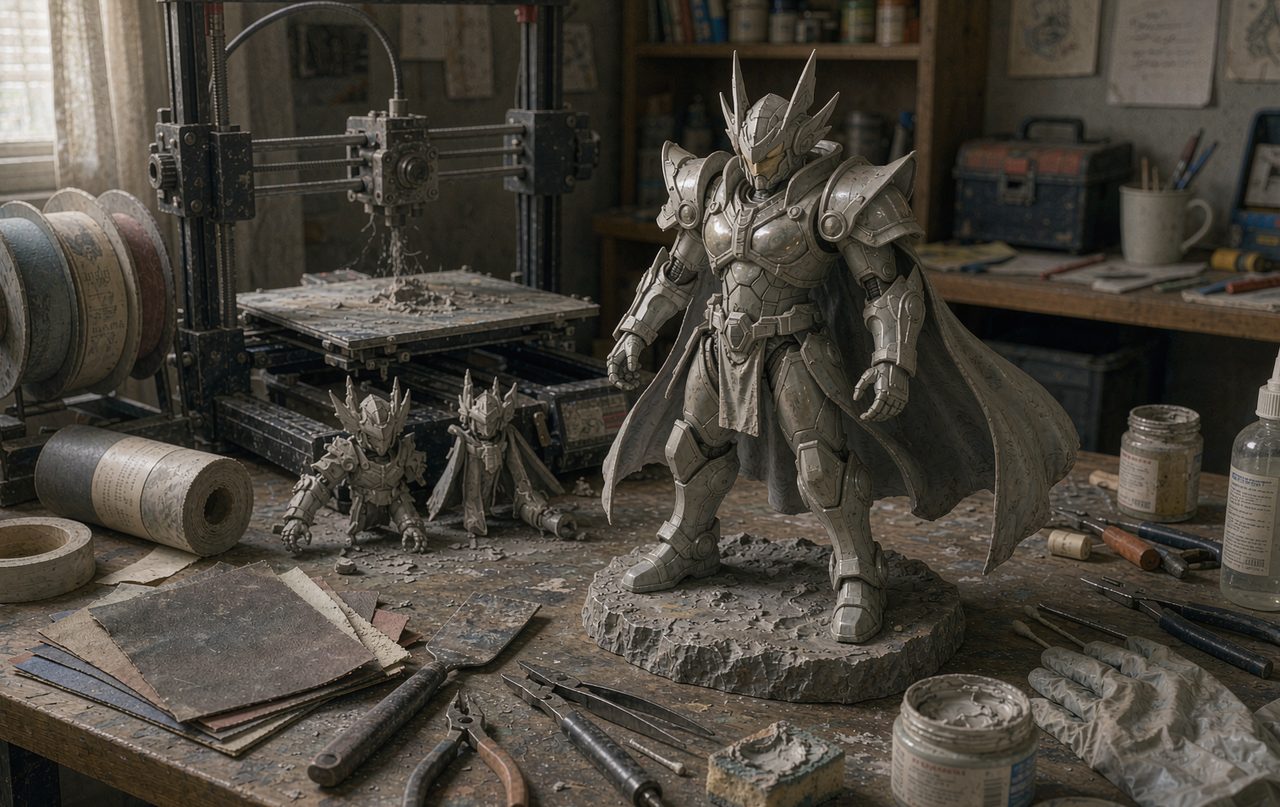 3D Printing & Digital Fabrication — Art derivatives & designer toys
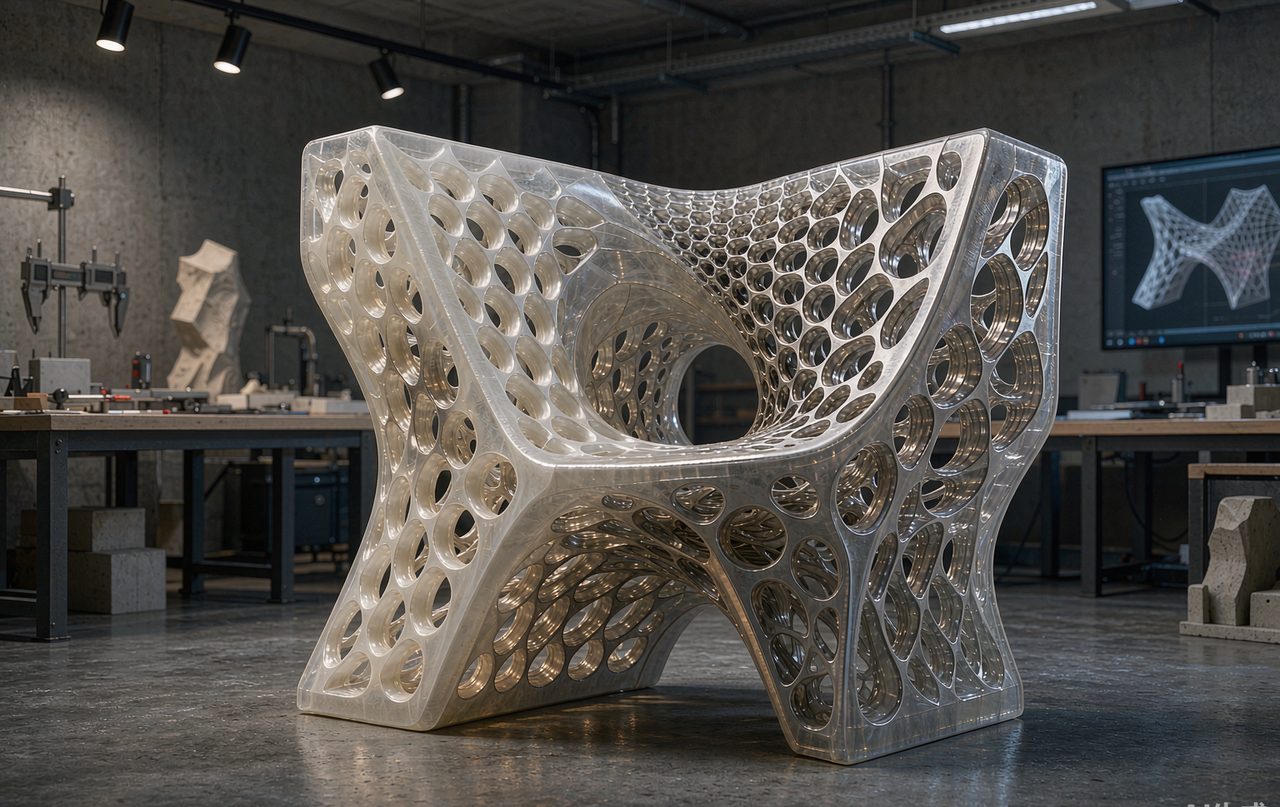 3D Printing & Digital Fabrication — Digital sculpture modelling
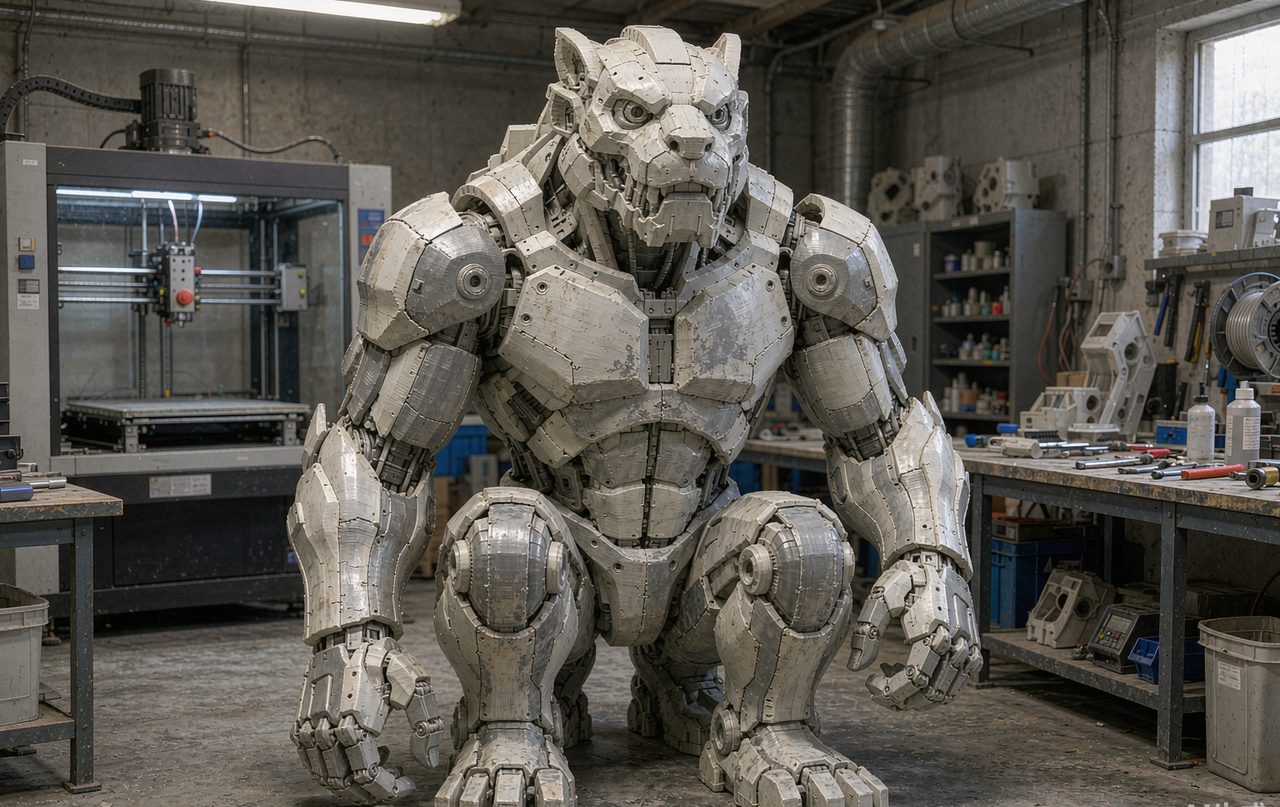 3D Printing & Digital Fabrication — Large-scale 3D-printed sculpture
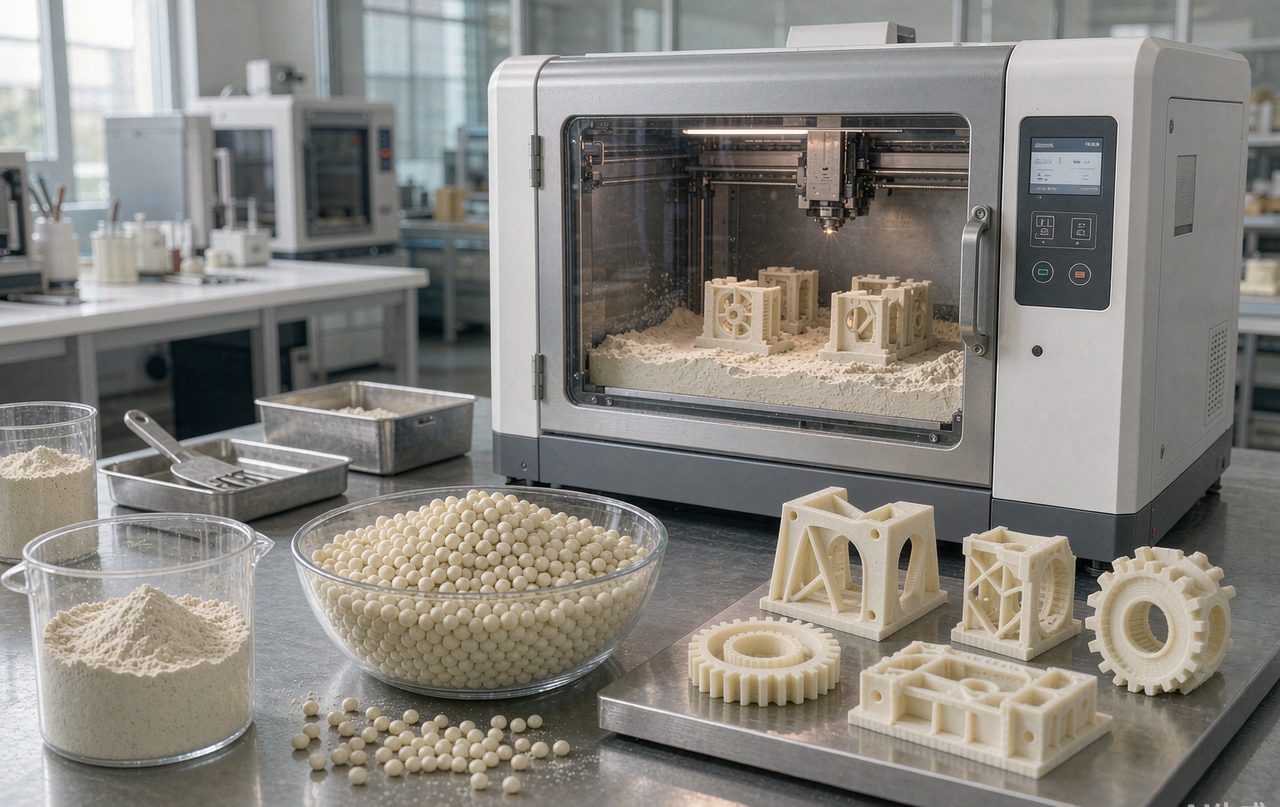 3D Printing & Digital Fabrication — 3D printing material selection
Common questions
What is the best material for outdoor printing?
Can you supply certified flame-retardant material?
What is the maximum size of a single printed part?
Discuss 3d printing material selection
Send photographs, drawings or a 3D file with approximate dimensions. You will get a technique recommendation, a reference price band and a production schedule.